New York Is Starting to Feel Like a Subscription You Forgot to Cancel
Micheal C.April 15, 2026 5 min read
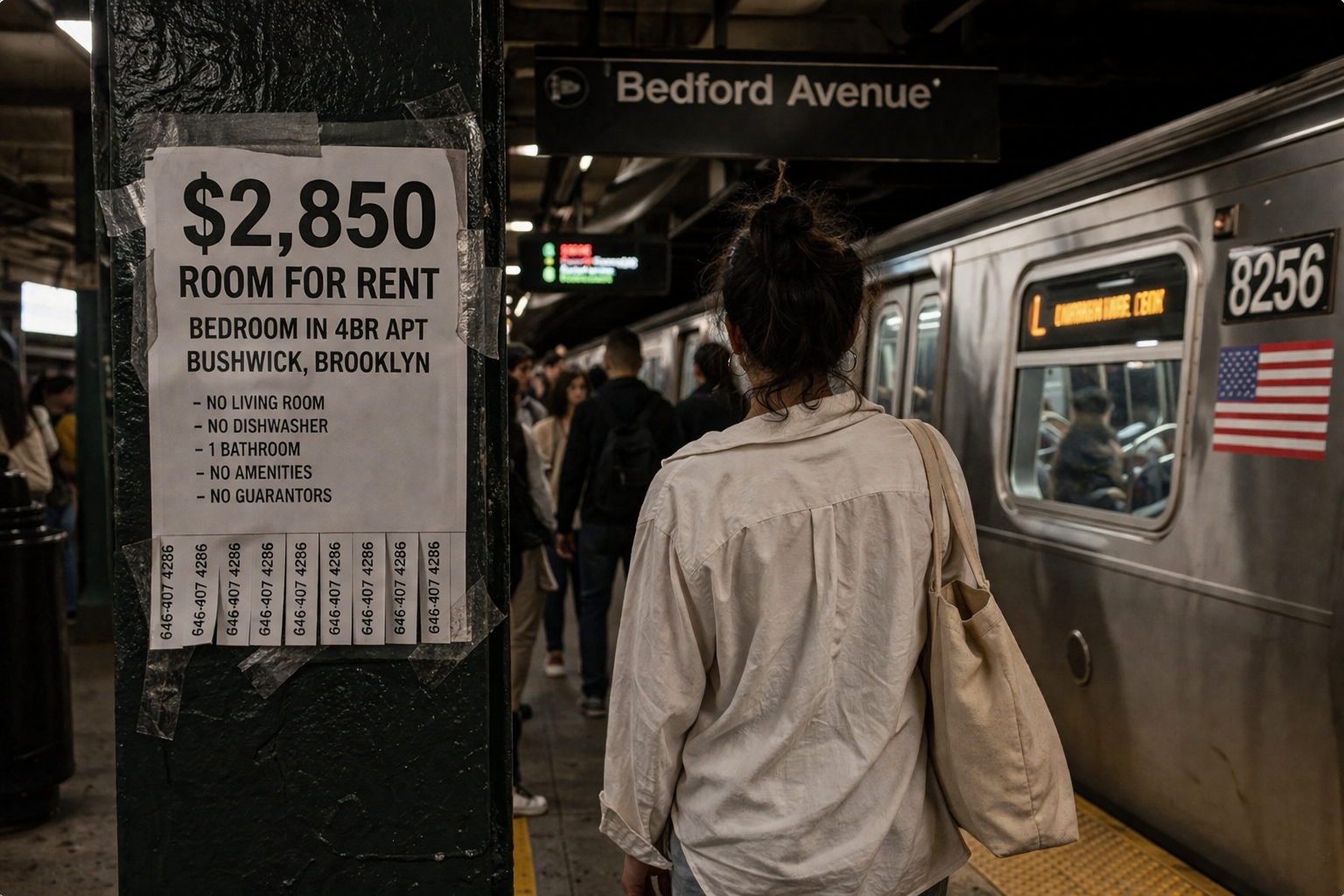
There is a specific kind of humiliation that comes with apartment hunting in New York.
You open a listing.
You see one blurry photo, one suspiciously tiny sink, one radiator that looks emotionally unstable, and then the price punches you in the throat.
Two thousand eight hundred dollars for a studio.
Basically five grand for a one-bedroom in Manhattan.
And somehow the listing still says “charming.”
Charming where?
New York has always been expensive. That is not new. What feels new is how aggressively normal people are being asked to pretend this is still manageable.
It is not just that rent is high.
It is that everything around it is high too.
Groceries.
Transit frustrations.
Insurance.
Child care.
Utilities.
The random $19 salad that now feels like a hate crime.
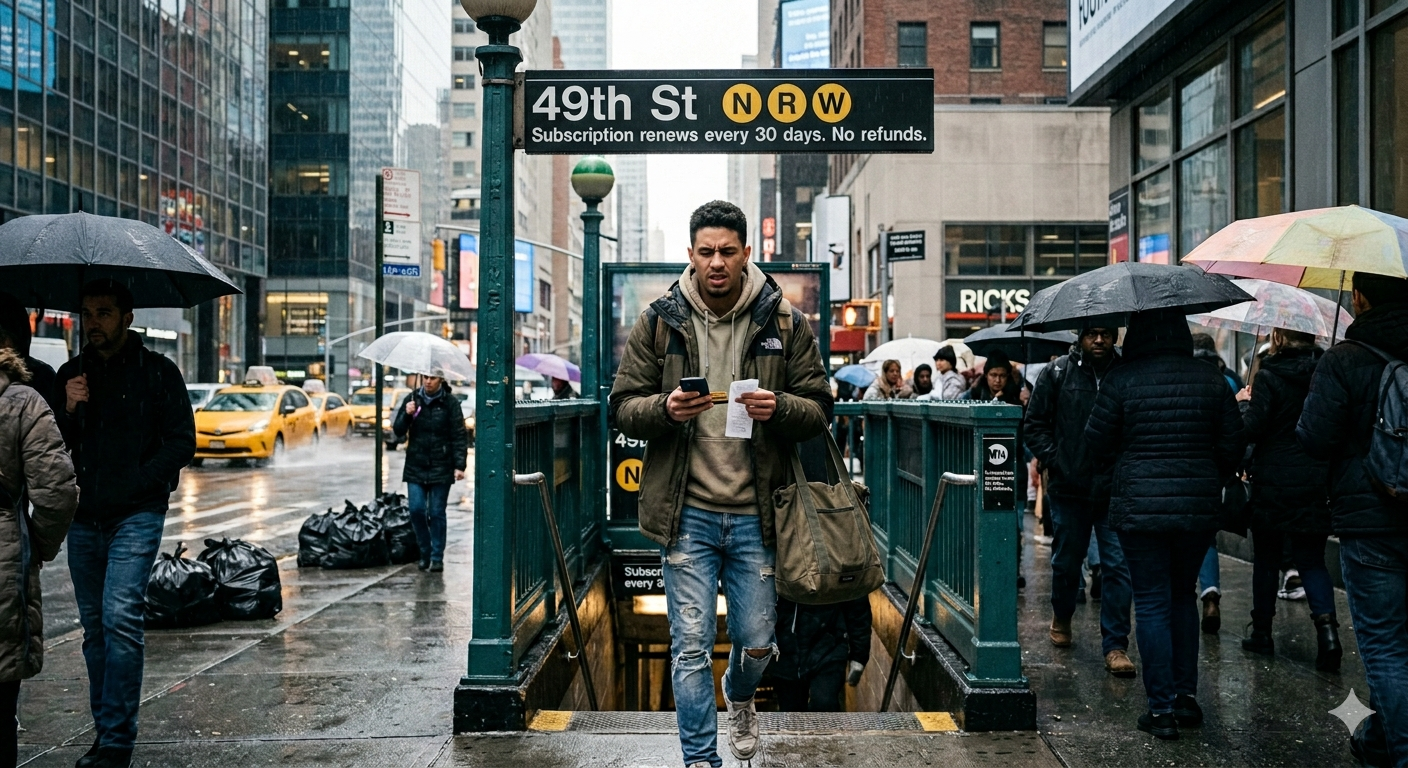
So the apartment is not just an apartment anymore. It is the center of a larger emotional math problem. And for a lot of people, the numbers do not even come close to landing.
That is not imagination. It is structure.
The city’s housing vacancy rate is roughly 1.4%, which is basically another way of saying: there are not enough homes, and everyone can feel it. Recent reports from the city comptroller, the City Council, and the Citizens Budget Commission all say supply has not kept up with demand. StreetEasy says city inventory has been falling while rents keep climbing, especially in Manhattan.
That shortage bends the whole city.
It bends where people live.
How long they stay with roommates.
Whether they date seriously.
Whether they have kids.
Whether they keep the job they hate because at least the direct deposit is familiar.
And it hits some people harder than others.
Young workers.
Service workers.
Recent grads.
Single parents.
Immigrants.
Artists.
Anyone without family money.
Anyone whose paycheck looks decent on paper but evaporates the second rent clears.
New York’s own cost-of-living measure makes the point brutally clear: even before this year’s new wage floor, the gap between wages and what life actually costs here was already huge.
Then there is safety, which is where New York gets emotionally confusing.
Because a lot of people feel less safe, especially on trains, late at night, or just generally when the city feels more frayed. That feeling is real. But the city’s official crime numbers also show major crime and shootings down so far in 2026, including the fewest shootings on record for the first quarter.
That is the tension: data can improve while people still feel on edge.
And honestly, that makes sense.
Safety is not only about statistics. It is also about disorder, instability, public trust, mental health, whether the platform feels chaotic, whether the block feels watched, whether everybody looks a little more one bad month away from breaking.
Image caption
Now enter the new mayor.
Zohran Mamdani came in promising to attack affordability head-on. He has pushed early plans around city-run grocery stores, tenant protections, child care, buses, and housing, and he has publicly framed cost of living as the defining issue.
That matters.
But here is the hard truth: no mayor is fixing New York’s affordability crisis in one speech, one pilot, or one press conference. Not when the shortage is this deep, construction is this expensive, and the backlog is this old. Reports from the comptroller and CBC both make that point in different ways.
So what do people do while the city argues with itself?
They get smaller.
They share more.
They commute longer.
They stay in bad apartments because moving costs money too.
They keep one eye on Streeteasy and one eye on LinkedIn and try not to panic in between.
And some leave.
That is the real loss.
Not just population on a spreadsheet.
Spirit.
Because when the people who make New York feel like New York can no longer afford to live in it, the city does not just get more expensive.
It gets thinner.
Less weird.
Less alive.
Less forgiving.
More like a place people endure instead of build with.
Still, there are a few sane moves in insane times.
Get painfully honest about your housing math before you romanticize a zip code.
Push harder on income, side income, negotiation, and shared cost strategies than your pride wants to.
Use housing lotteries and stabilized options even if the process is annoying.
Stop assuming “making it” in New York has to look like living alone in a trendy neighborhood by 27.
And if you are drowning, treat that like information, not failure.
Because this city will gaslight you if you let it.
It will make you think you are behind when really the price of participation has just gotten absurd.
That distinction matters.
New York is still magnetic. Still electric. Still capable of giving people a life they cannot find anywhere else.
But right now, it is also asking too much of too many.
And until housing, wages, and daily stability stop living on different planets, that is going to remain the real story of this city.
Be the first to like this article
Comments (0)
0/2000
No comments yet. Be the first to share your thoughts!
Share this article
Found this helpful? Spread the word.
Need top engineering talent?
We place senior engineers, architects, and tech leads in under 3 weeks.